
Mastering the Art of Sports Broadcasting: Strategies for Success
Understanding Sports Broadcasting
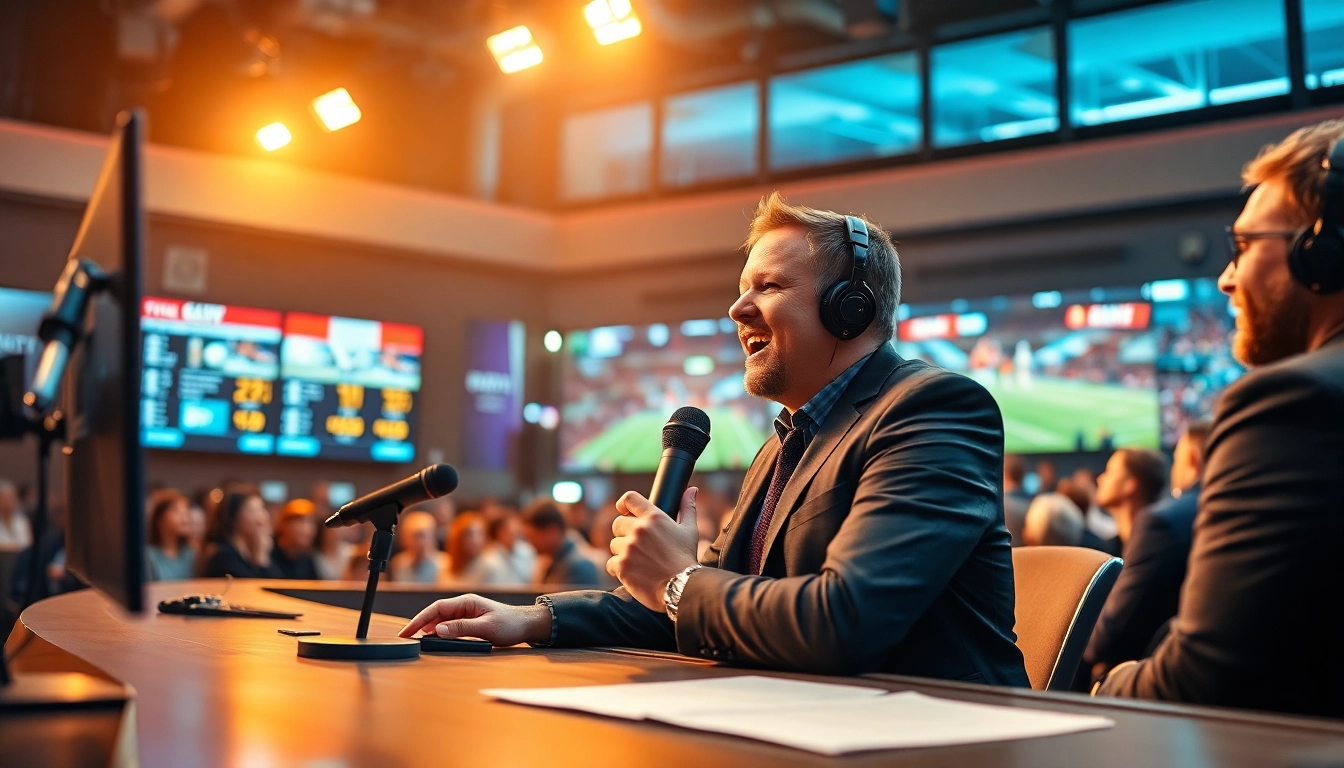
Sports broadcasting has revolutionized the way fans engage with their favorite sports and teams. From thrilling live matches to in-depth analyses, the world of sports broadcasting enhances viewer experiences, making them feel part of the action. This profound relationship between sports and broadcasting leads to the creation of compelling narratives, robust discussions, and emotional connections. Within the scope of Sports Broadcasting, understanding its dynamics is crucial for anyone looking to thrive in this vibrant industry.
What is Sports Broadcasting?
Sports broadcasting refers to the distribution of sports events through various media channels, including television, radio, and digital platforms. It encompasses both live coverage and recorded replays, catering to a wide array of audiences. The primary objective of sports broadcasting is to inform, entertain, and connect fans with their favorite sports and athletes, often providing commentary, analysis, and highlights that enrich their viewing experience. This integration of entertainment and information makes sports broadcasting a pivotal industry within both media and sports.
Key Components of Sports Broadcasting
- Commentary: One of the most distinguishing features is the live commentary provided by analysts and announcers, which offers viewers insight into game strategies, player performances, and critical moments.
- Visuals: High-definition cameras, instant replays, and graphical overlays significantly enhance the viewing experience, allowing fans to see the action from multiple angles and perspectives.
- Production Teams: Behind every broadcast is a dedicated team responsible for everything from camera work to sound engineering, ensuring high-quality delivery and engagement.
- Sponsorship and Advertising: Sports broadcasts typically include branded content, highlighting sponsorships that help fund operations while enhancing brand visibility.
- Analytics and Statistics: Real-time statistics and historical data offer a contextual framework, feeding fans’ curiosity for deeper understanding and engagement.
Types of Sports Broadcasting
Sports broadcasting can be categorized based on the medium utilized and the nature of the content delivered. Here are the primary types:
- Live Broadcasting: Real-time coverage of sporting events is the backbone of sports broadcasting, allowing viewers to experience the thrill as it happens.
- Recorded Events: Replays or highlights packages cater to fans who may have missed live games, often paired with expert analysis.
- Sports Talk Shows: These programs delve into discussions about various sports, featuring interviews, commentaries, and opinions about ongoing events.
- Documentaries and Features: These offer profound insights into sports culture, athlete stories, and the history behind the games.
- Streaming Services: Digital platforms have emerged, allowing fans to access broadcasts on-demand and on various devices, transforming traditional broadcasting dynamics.
Tools and Technologies in Sports Broadcasting
The sports broadcasting landscape has evolved dramatically with the advent of advanced technology. Understanding these tools is fundamental for enhanced broadcasting quality and engagement.
Essential Equipment for Sports Broadcasting
To execute a successful broadcast, various essential equipment must be leveraged:
- Cameras: Professional cameras with high-resolution capabilities are fundamental for capturing the action. Pan-tilt-zoom cameras offer flexibility in coverage.
- Microphones: Quality audio equipment, including lapel and shotgun microphones, ensures clarity in commentary and ambient sounds from the venue.
- Switchers: Video switchers enable seamless transitions between different video feeds, crucial in fast-paced sports environments.
- Graphics Equipment: On-screen graphics enhance the broadcast with real-time stats, scores, and player information.
- Broadcasting Software: Software solutions for encoding, streaming, and managing broadcasts have become integral to maintaining quality.
Software and Applications in Broadcast
Modern sports broadcasting heavily relies on specific software applications that facilitate various functions:
- Production Control Software: This enables real-time editing and switching between various camera angles and graphics during live coverage.
- Analytics Software: Tools that analyze player performance and game statistics provide valuable insights for commentators and fans alike.
- Social Media Integration: Broadcasting software now incorporates real-time social media feeds to engage audiences further and incorporate viewer reactions.
- Scheduling Tools: These assist broadcasters in managing event schedules, ensuring timely broadcasts of fixtures and updates.
- Streaming Platforms: Services that facilitate live streaming have allowed content creators more freedom in delivery methods, targeting specific audiences.
Innovations Shaping Sports Broadcasting
Innovations in technology continually shape the sports broadcasting field, thus enhancing audience engagement:
- Virtual Reality (VR): VR technology offers immersive experiences that allow fans to feel “present” at events, revolutionizing how sports are consumed.
- Augmented Reality (AR): AR enhances broadcasts by overlaying information directly in the viewer’s field of vision, providing live statistics and player bios.
- Artificial Intelligence (AI): AI programs assist in data analysis and content generation, personalizing the viewer experience according to preferences.
- 360-Degree Cameras: These cameras provide full panoramic views of gameplay, giving fans a unique perspective of the action.
- Mobile Broadcasting Solutions: Mobile units allow coverage from virtually anywhere, ensuring that live events are broadcasted with reliability and quality.
Strategies for Effective Sports Broadcasting
As the demand for engaging sports content increases, implementing effective strategies is crucial for quality sports broadcasting.
Building Audience Engagement
Engaging an audience is paramount in sports broadcasting. Effective strategies include:
- Interactive Services: Features like live polls, chats, or Q&A periods during broadcasts allow real-time interaction, enhancing viewer connection.
- Personalization: Tailoring content to audience preferences fosters loyalty, hence increasing return viewership.
- Utilizing Analytics: Understanding viewer behaviors and preferences through analytics can guide content creation strategies.
- Community Building: Establishing forums or social media groups where fans can share opinions and experiences builds community engagement around broadcasts.
- Exclusive Content: Offering behind-the-scenes access and exclusive interviews keeps audiences invested in the overall narrative.
Creating Compelling Content
Quality content is the essence of successful sports broadcasting. Strategies include:
- Narrative Techniques: Developing a storyline that resonates emotionally with audiences can elevate engagement levels and viewership.
- Highlighting Key Moments: Focusing on pivotal moments during events can help create memorable content that encourages repeat viewership.
- Expert Analyses: Featuring in-depth analyses from industry experts enriches the viewing experience, appealing to both casual and hardcore fans.
- Utilizing User-Generated Content: Encouraging fans to contribute content can enhance relatability and community feel in broadcasts.
- Regular Updates: Keeping content fresh and current, particularly in fast-paced sports seasons, maintains audience interest.
Best Practices for Live Coverage
Executing live broadcasts effectively requires adhering to best practices, such as:
- Preparation: Comprehensive preparation, including logistics, equipment checks, and coverage plans, ensures smooth operations.
- Clear Communication: Establishing communication protocols among team members is crucial for coordinated coverage during live events.
- Flexibility: Adapting to unforeseen changes during live events is essential, ensuring that broadcasts remain engaging and relevant.
- Audience Availability: Considering different time zones and audience availability when scheduling broadcasts can optimize viewership.
- Quality Control: Continuous monitoring of audio and visual quality during broadcasts is necessary to maintain professionalism.
Navigating Challenges in Sports Broadcasting
Despite its engaging nature, sports broadcasting presents various challenges that professionals must navigate effectively.
Overcoming Technical Difficulties
Technical issues can arise during broadcasts. Strategies for overcoming them include:
- Backup Systems: Implementing backup audio and video feeds can ensure continuity during unexpected failures.
- Pre-Event Testing: Conducting thorough testing before events helps identify potential issues, allowing for preemptive solutions.
- Training Personnel: Well-trained staff in troubleshooting can minimize disruptions, enabling swift resolutions during broadcasts.
- Communication Tools: Utilizing reliable communication tools helps teams work through technical difficulties effectively.
- Emergency Protocols: Drafting emergency protocols and contingencies can guide teams through critical moments without losing engagement.
Managing On-Air Mistakes
On-air mistakes are inevitable in live broadcasts but can be managed with:
- Staying Professional: Maintaining professionalism during errors helps retain audience trust and fosters a positive brand image.
- Humor: Appropriately using humor can diffuse tension and keep the audience engaged even when mistakes occur.
- Embracing Transparency: Acknowledging mistakes in real-time demonstrates authenticity and strengthens viewer loyalty.
- Correcting Information Promptly: Quickly providing correct information reinforces credibility and trustworthiness.
- Institutional Learning: Analyzing mistakes post-broadcast can lead to improved processes and better future performances.
Adapting to Rapid Changes
In a constantly evolving sports landscape, adapting is key. Strategies include:
- Continuous Education: Staying updated with industry trends, technology, and audience preferences is essential for relevance.
- Flexible Content Strategies: Being willing to shift content plans according to audience feedback can significantly enhance branding efforts.
- Engaging with Fans: Actively interacting with your audience on social media can provide insight into shifting preferences and expectations.
- Researching Competitors: Learning from competitors can help broadcasters stay ahead in terms of quality and viewer engagement.
- Utilizing Feedback: Collecting and analyzing viewer feedback can inform operational changes and enhance future broadcasts.
Future Trends in Sports Broadcasting
The future of sports broadcasting is exciting, teeming with innovations and shifts in consumer behavior that can redefine the industry.
Emerging Technologies
Emerging technologies will significantly influence the evolution of sports broadcasting:
- Artificial Intelligence: AI-driven systems for analysis, content creation, and personalized viewer experiences will become more prevalent in broadcasts.
- Data Analytics: Enhanced analytical tools will offer deeper insights into gameplay, improving commentary quality and viewer engagement.
- Cloud Broadcasting: Cloud-based solutions will facilitate remote broadcasts, reducing the need for on-site personnel and infrastructure.
- 5G Technology: The adoption of 5G networks will improve streaming quality, reducing latency and enhancing viewer experience.
- Blockchain Technology: Blockchain may provide innovative solutions for content rights management and broadcasting transparency.
The Rise of Streaming Services
Streaming has transformed how audiences consume sports, leading to a few key trends:
- Subscription-Based Models: Increased flexibility in consuming targeted sports content through subscription models caters to consumer preference.
- Exclusive Streaming Deals: Partnerships between leagues and streaming services can deliver exclusive content to attract broader audiences.
- On-Demand Viewing: The ability for viewers to watch events at their convenience drives engagement and maintains interest in leagues and teams.
- Global Reach: Streaming services can reach global audiences, crossing geographical boundaries that traditional broadcasts often struggle with.
- Adaptive Technologies: Streaming technologies will evolve to include better features such as personalized viewing options and synchronized social experiences.
Engagement Through Social Media
Social media is becoming an integral aspect of sports broadcasting. Future engagement strategies include:
- Real-Time Updates: Providing live updates and engaging content via social media channels during broadcasts can heighten viewer interest.
- User Engagement: Inviting fans to share their experiences and reactions builds community and enhances viewer investment.
- Content Cross-Promotion: Using social media to promote corresponding broadcast content maximizes audience reach and engagement.
- Influencer Collaborations: Partnering with sports influencers to engage audiences can drive traffic and create personalized content.
- Live Streaming on Social Media: Offering live broadcasts on platforms like Twitter, Instagram, or Facebook increases accessibility and viewership.
Frequently Asked Questions
What is the main goal of sports broadcasting?
The primary goal of sports broadcasting is to inform, entertain, and connect fans with their favorite sports, players, and teams through live coverage and in-depth analyses.
How has technology impacted sports broadcasting?
Technology has enhanced quality and engagement in sports broadcasting through innovations like VR, AR, AI, and advanced streaming services, providing immersive fan experiences.
What are the main types of sports broadcasting?
Sports broadcasting includes live coverage of events, recorded events, talk shows, documentaries, and increasingly, digital streaming formats which offer flexibility and engagement.
How can broadcasters improve viewer engagement?
Broadcasters can improve engagement by implementing interactive services, personalizing content, utilizing analytics, building communities, and offering exclusive behind-the-scenes access.
What challenges do sports broadcasters face?
Common challenges include overcoming technical difficulties, managing on-air mistakes, adapting to rapid industry changes, and maintaining viewer engagement in a competitive landscape.